
Introduction & Background
Transforming your living space does not always require massive renovations or large budgets. Sometimes, the most impactful changes come from clever, small-scale home improvement projects that refresh your home’s aesthetic, functionality, and comfort. Whether you are a new homeowner looking to personalize your space or a long-time resident seeking to revitalize dated interiors, these projects can breathe new life into your environment without overwhelming time or expenses. Home improvement is not just about fixing what is broken, it is about enhancing what is already there to better suit your lifestyle and tastes.
Concept & Overview
Ingenious home improvement projects focus on smart, creative solutions that maximize space, improve efficiency, and elevate style. These projects often involve repurposing materials, integrating modern technology, or applying design principles that create the illusion of more room or better organization. The goal is to make your home more functional, beautiful, and aligned with your personal preferences, all while staying within practical limits. Whether you enjoy DIY work or prefer to hire professionals, there is always a way to enhance your home with thoughtful upgrades.
Key Features & Highlights
- Multi-functional furniture: Pieces like sofa beds, storage ottomans, or extendable dining tables serve more than one purpose, helping you save space and reduce clutter.
- Smart lighting systems: Installing dimmable lights, LED strips, or motion-sensor lights can instantly change the mood and energy of a room while improving energy efficiency.
- Open shelving in kitchens: Removing upper cabinets and adding open shelves makes small kitchens feel larger and encourages better organization and display of dishes and decor.
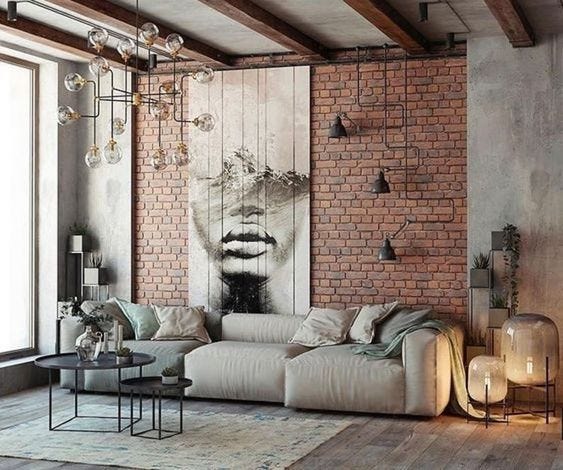
- Accent walls with texture: Using materials like wood panels, peel-and-stick tiles, or textured paint on one wall creates visual interest and depth without a full renovation.
- Upcycled decor: Turning old furniture into statement pieces with paint, new hardware, or reupholstering breathes new life into thrifted finds and reduces waste.
- Hidden storage solutions: Under-stair drawers, built-in window seats with storage, or wall-mounted drop-leaf tables help keep essentials out of sight but within reach.
- Indoor plants and vertical gardens: Adding greenery improves air quality, brings nature indoors, and can be done in small spaces using hanging planters or wall-mounted pots.
- Modern backsplashes: A stylish tile or peel-and-stick backsplash can transform a kitchen or bathroom from outdated to trendy with minimal effort and cost.
- Smart home devices: Thermostats, doorbells, and lighting systems that can be controlled via smartphone enhance convenience, security, and energy savings.
- Decluttering with minimalism: Adopting a less-is-more approach by removing excess items and organizing what remains creates a calm, spacious atmosphere that feels luxurious.
Frequently Asked Questions / Pros & Cons
What are the easiest home improvement projects for beginners?
Some of the simplest projects for beginners include painting walls, installing peel-and-stick tiles, assembling modular furniture, and adding removable wallpaper. These require minimal tools and can be completed in a weekend.
How much can small home improvements increase my home’s value?
While major renovations can offer high returns, even small upgrades like refreshing paint, updating fixtures, or improving curb appeal can significantly boost your home’s attractiveness to buyers and potentially increase its resale value.
Are smart home devices worth the investment?
Smart devices offer convenience, energy savings, and enhanced security. While the initial cost may be higher, long-term benefits like reduced utility bills and increased home value often justify the investment for many homeowners.
What are the common mistakes to avoid during home improvement projects?
One of the biggest mistakes is skipping proper planning or measuring, which can lead to costly errors. Avoid rushing into projects without researching materials or tools needed. Also, do not overlook safety measures when using power tools or working with chemicals.
Can I improve my home without a large budget?
Absolutely. Many ingenious projects rely on creativity rather than spending, such as upcycling old furniture, rearranging existing decor, or using affordable materials like plywood or fabric to create custom solutions.
Practical Guidance & Solutions
To make the most of your home improvement journey, start by identifying areas that need the most attention or bring you the most frustration. If clutter is an issue, begin with a thorough decluttering session before adding new storage solutions. For those on a tight budget, focus on projects that offer the highest visual impact for the lowest cost, such as a fresh coat of paint or new hardware on cabinets.
When tackling DIY projects, always gather the right tools and materials before starting. Watch tutorial videos or read guides from trusted sources to avoid common pitfalls. If a project feels too complex, consider hiring a professional for key tasks, such as electrical work or plumbing, to ensure safety and quality.
For renters, focus on temporary and reversible upgrades like removable wallpaper, freestanding shelves, or area rugs that can be taken with you when you move. These changes allow you to personalize your space without violating lease agreements.
Conclusion
Home improvement does not have to be daunting or expensive. With a little creativity and planning, you can transform your space into a more functional, stylish, and comfortable sanctuary. The ten ingenious projects highlighted here are designed to inspire you to think differently about your home, whether you want to create more storage, enhance lighting, or simply refresh your decor. Remember, even the smallest changes can make a big difference when they align with your vision and lifestyle. Start small, stay inspired, and enjoy the process of making your house truly feel like home.