
Discover the Magic of Colors: Transform Your Home with These Palette Ideas
Colors have the power to shape our moods, influence our perceptions, and even redefine the ambiance of a space. Whether you’re redecorating a single room or overhauling your entire home, the right color palette can turn an ordinary space into a sanctuary of creativity and comfort. But with endless hues to choose from, how do you select the perfect combination? This guide will explore the transformative power of color, offering palette ideas to inspire your next home makeover.
The Psychology of Color: Why It Matters
Before diving into palette ideas, it’s essential to understand how colors affect us psychologically. Warm tones like red, orange, and yellow evoke energy, warmth, and coziness, making them ideal for social spaces like living rooms and kitchens. Cool tones such as blue, green, and lavender promote calmness and focus, perfect for bedrooms and home offices. Neutral colors like beige, gray, and white serve as a versatile foundation, allowing other hues to shine. By leveraging the psychology of color, you can curate a space that not only looks stunning but also feels right.
Timeless Palettes for Every Room
Some color combinations stand the test of time, offering sophistication and adaptability. Here are a few classic palettes to consider:
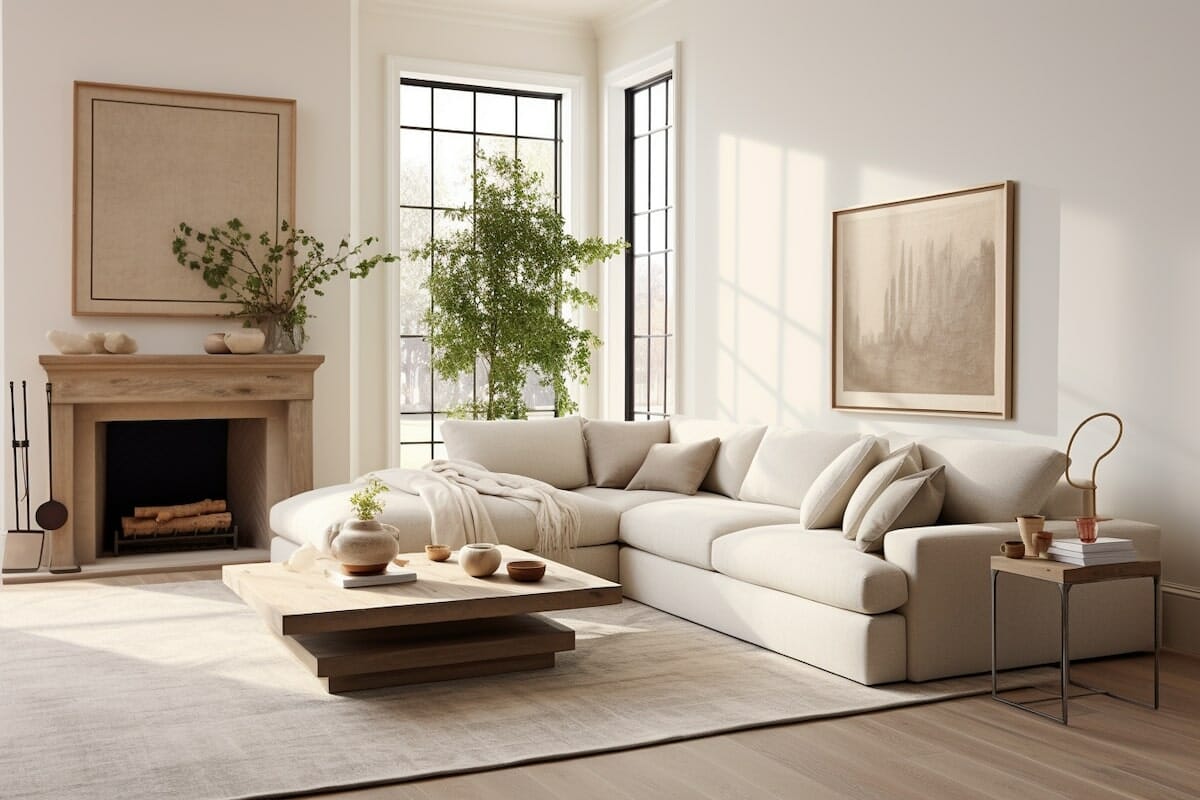
- Earthy Neutrals: Beige, taupe, and soft brown create a warm, inviting atmosphere. Pair with natural wood tones and greenery for a grounded, organic feel.
- Monochromatic Elegance: Shades of a single color, like varying tones of gray or blue, add depth and cohesion without overwhelming the senses.
- Coastal Retreat: Soft blues, whites, and sandy beige evoke the tranquility of the seaside, perfect for bathrooms or a coastal-themed bedroom.
- Jewel Tones: Rich emerald green, sapphire blue, and deep purple add drama and luxury, ideal for accent walls or statement furniture.
Bold and Modern: Trendy Palettes for the Adventurous
If you’re drawn to more contemporary styles, these trendy palettes will infuse your home with personality and flair:
- Japandi Fusion: A blend of Japanese minimalism and Scandinavian warmth, featuring muted greens, warm grays, and soft blacks.
- Vintage Revival: Dusty pinks, sage greens, and mustard yellows bring a nostalgic yet fresh vibe, reminiscent of mid-century design.
- Urban Jungle: Deep greens, warm terracotta, and black create a bold, nature-inspired look that feels both modern and organic.
- Retro Pop: Bright teal, coral, and lemon yellow channel the playful energy of the 1960s and 70s, perfect for a retro-inspired kitchen or game room.
Small Spaces, Big Impact: Color Tricks for Cozy Areas
Decorating small spaces can be challenging, but color offers clever solutions to make rooms feel larger and more inviting. Light and airy palettes, such as soft whites, pale blues, and pastel pinks, reflect natural light and create an open, expansive feel. Mirrors and glossy finishes in these tones can amplify the effect. For a touch of drama without overwhelming the space, consider an accent wall in a deeper shade, like navy or forest green. Alternatively, vertical stripes in light colors can draw the eye upward, making ceilings appear higher.
Seasonal Palettes: Rotate Colors with the Year
Why stick to one palette year-round? Embrace the changing seasons by rotating your color scheme to reflect the mood and energy of each time of year. In spring, pastel pinks, mint greens, and buttery yellows bring freshness and renewal. Summer calls for bright, saturated hues like coral, turquoise, and sunshine yellow. Fall invites warm, earthy tones such as burnt orange, deep burgundy, and olive green. Winter beckons moody, cozy shades like charcoal, plum, and icy white, creating a snug retreat from the cold.
Accent Colors: How to Use Them Effectively
Accent colors are the secret weapon of interior design, allowing you to add personality without committing to a full palette overhaul. Use them in throw pillows, artwork, rugs, or a single statement piece of furniture. When selecting accent colors, consider the 60-30-10 rule: 60% dominant color, 30% secondary color, and 10% accent color. For example, a living room with white walls (60%), a gray sofa (30%), and emerald green cushions (10%) achieves a balanced yet dynamic look. Don’t be afraid to mix textures and patterns in accent colors to create visual interest.
DIY Color Mixing: Create Your Own Palette
If you’re feeling adventurous, why not create a custom palette tailored to your tastes? Start by gathering inspiration from nature, art, or even your favorite travel destinations. Take note of the colors that resonate with you and experiment with swatches. Mix paint samples to test how hues interact in different lighting conditions—natural light, artificial light, and shadows can dramatically alter their appearance. Online tools like color wheel apps or mood boards can help refine your choices before committing to a purchase.
Final Tips for a Cohesive Look
Achieving a harmonious color scheme requires a bit of planning, but the results are worth it. Here are a few final tips to keep in mind:
- Test Before You Commit: Always sample paint colors on your walls and observe them at different times of day before making a final decision.
- Balance Warm and Cool Tones: Mix warm and cool hues to create depth and prevent a space from feeling too one-dimensional.
- Consider Flow Between Rooms: While each room can have its own palette, maintaining a cohesive thread (such as a repeating accent color) ensures a seamless transition throughout your home.
- Don’t Forget the Ceiling: Painting the ceiling a lighter shade than the walls can make a room feel taller, while a darker hue adds coziness.
- Embrace Imperfections: Not every color will work perfectly, and that’s okay! Sometimes the most unexpected combinations yield the most stunning results.
Colors are more than just aesthetic choices—they’re a reflection of your personality and a tool to shape your environment. Whether you opt for timeless neutrals, bold modern hues, or a seasonal rotation, the right palette can transform your home into a space that feels uniquely yours. So go ahead, experiment, and let the magic of color work its wonders!