
Reviving Retro: Bold Home Decor Trends for the Modern Era
In a world that often feels dominated by sleek minimalism and futuristic design, retro home decor is making a triumphant comeback. The bold colors, eclectic patterns, and nostalgic elements of past decades are being reimagined for today’s homes, blending the charm of vintage aesthetics with contemporary comfort. Whether you’re a fan of mid-century modern, bohemian chic, or the vibrant hues of the ’70s, retro-inspired decor offers a way to infuse personality and warmth into your living space. This resurgence isn’t just about nostalgia—it’s about celebrating individuality and creating spaces that feel alive with character.
Why Retro Decor is Trending Again
Several factors are driving the renewed interest in retro decor. First, sustainability is at the forefront of many homeowners’ minds, and vintage pieces offer an eco-friendly alternative to mass-produced furniture. Upcycling old finds or investing in secondhand treasures not only reduces waste but also adds a unique story to your home. Second, the pandemic led many people to seek comfort in familiar, cozy aesthetics, and retro styles often evoke a sense of nostalgia and warmth. Finally, social media platforms like Instagram and Pinterest have played a huge role in popularizing retro trends, inspiring homeowners to experiment with bold colors, textures, and patterns that might have seemed outdated just a decade ago.
The appeal of retro decor lies in its ability to adapt. Unlike rigid contemporary styles, retro design is fluid, allowing for personal expression through a mix of eras, colors, and materials. Whether you’re drawn to the clean lines of the 1950s, the earthy tones of the 1970s, or the maximalist flair of the 1980s, retro decor invites you to curate a space that feels distinctly yours.
Key Retro Decor Trends for the Modern Home
If you’re ready to bring a touch of retro into your home, here are some of the most exciting trends taking the modern era by storm:
1. Mid-Century Modern Revival
Mid-century modern design, which flourished from the mid-1940s to the mid-1960s, remains one of the most beloved retro styles. Characterized by clean lines, organic shapes, and a harmonious blend of form and function, this aesthetic is perfect for creating spaces that feel both stylish and livable. Key elements include:
- Iconic Furniture Pieces: Think Eames lounge chairs, teak wood sideboards, and tulip tables. These timeless designs add sophistication without overwhelming a space.
- Bold Geometric Patterns: Incorporate abstract shapes in rugs, wallpaper, or throw pillows to add visual interest.
- Earthy Color Palettes: Mustard yellow, olive green, burnt orange, and warm browns create a cozy yet polished look.
2. ’70s Boho Chic
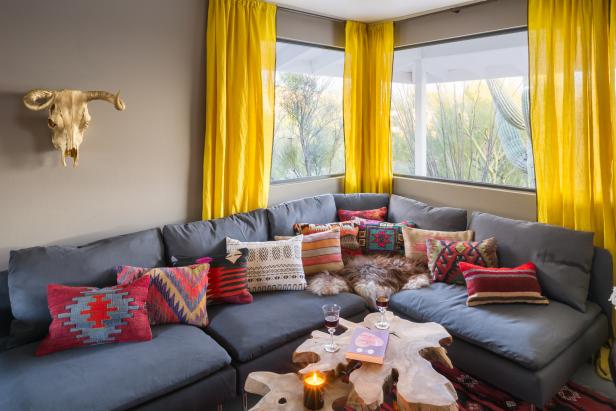
The 1970s brought a love for all things natural, eclectic, and free-spirited, and the boho chic trend is a direct descendant of that era. This style embraces a mix of textures, patterns, and global influences, making it ideal for creating lived-in, inviting spaces. To achieve the look, consider:
- Layered Textiles: Macramé wall hangings, fringe throws, and embroidered cushions add depth and warmth.
- Natural Materials: Rattan furniture, jute rugs, and wooden accents bring an organic feel to your decor.
- Earthy and Muted Tones: Terracotta, avocado green, burnt sienna, and deep blues evoke the tranquility of nature.
3. ’80s Maximalism
For those who crave drama and boldness, the maximalist aesthetic of the 1980s is a fantastic choice. This trend celebrates excess with vibrant colors, oversized patterns, and an explosion of textures. To incorporate it into your home:
- Statement Wallpaper: Opt for bold florals, geometric prints, or metallic finishes to create a focal point.
- Bright and Clashing Colors: Don’t shy away from mixing pink, teal, purple, and neon accents for a high-energy look.
- Chunky Furniture: Think oversized sofas, plush armchairs, and glossy lacquered surfaces for a touch of opulence.
4. ’90s Minimalism with a Twist
The 1990s were all about simplicity and functionality, but today’s take on this era adds a playful twist. Clean lines and neutral palettes are softened with unexpected pops of color or quirky decor. To capture the essence:
- Neutral Base with Pops of Color: White, beige, and gray serve as a backdrop, while accents of red, cobalt blue, or lime green add vibrancy.
- Sleek and Streamlined Furniture: Low-profile sofas, glass coffee tables, and metal-framed chairs embody the era’s minimalist ethos.
- Retro Tech-Inspired Decor: Think retro gaming consoles, vintage TVs, or neon signs for a nostalgic nod to the ’90s.
How to Mix Retro with Modern Decor
One of the beauties of retro decor is its versatility. It doesn’t have to be an all-or-nothing approach—you can seamlessly blend vintage pieces with contemporary elements for a balanced, curated look. Here are some tips to achieve harmony in your space:
Balance is Key
If you’re incorporating bold retro furniture or wallpaper, balance it out with modern, neutral pieces. For example, pair a vibrant ’70s-style sofa with a sleek, minimalist coffee table. Similarly, a mid-century modern armchair can look stunning against a backdrop of contemporary art and clean-lined shelving.
Play with Scale
Retro pieces often come in distinctive shapes and sizes. Mix larger statement items with smaller decorative accents to create visual interest without overwhelming the space. A grand, sculptural chair from the 1960s can coexist beautifully with modern lighting fixtures or a streamlined console table.
Focus on Texture
Retro decor thrives on texture, so don’t be afraid to mix materials like wood, metal, glass, and fabric. A shaggy rug, a velvet sofa, and a glass-topped table can create a dynamic, layered look that feels both nostalgic and fresh.
Where to Find Retro Decor
Whether you’re hunting for authentic vintage pieces or modern takes on retro styles, there are plenty of sources to explore:
- Thrift Stores and Flea Markets: These are goldmines for unique, one-of-a-kind items at affordable prices. Keep an open mind and be prepared to hunt for hidden gems.
- Online Marketplaces: Websites like Etsy, Chairish, and eBay offer a vast selection of retro furniture, decor, and accessories. Filter by era or style to narrow down your search.
- Vintage and Antique Shops: For high-quality, authentic pieces, specialized vintage stores are worth the investment. These shops often curate items with a keen eye for design history.
- DIY and Upcycling: Don’t overlook the potential in transforming old furniture with a fresh coat of paint, new hardware, or reupholstering. This not only saves money but also allows you to customize pieces to fit your space perfectly.
Tips for Incorporating Retro Decor Without Overdoing It
While retro decor is undeniably fun, it’s easy to go overboard if you’re not careful. The key is to create a cohesive look that feels intentional rather than cluttered. Here are some strategies to keep your retro-inspired home stylish and balanced:
Start Small
If you’re new to retro decor, dip your toe in with smaller accessories like throw pillows, artwork, or a statement rug. These elements can add a touch of retro charm without committing to a full-room transformation.
Stick to a Cohesive Color Palette
Retro styles often feature bold or saturated colors, so choose a palette that feels harmonious. For example, if you’re going for a ’70s boho look, stick to earthy tones and warm neutrals. If maximalism is your game, select a few key colors and repeat them throughout the space to create cohesion.
Edit Thoughtfully
Retro decor is all about personality, but too many patterns, colors, or textures can make a space feel chaotic. Be selective with your choices and edit ruthlessly. If a piece doesn’t spark joy or serve a purpose, it might be time to let it go.
The Future of Retro Decor
As we look ahead, retro decor shows no signs of fading. Instead, it’s evolving to incorporate even more diverse influences, from global vintage finds to sustainable design practices. The future of retro decor lies in its ability to adapt, blending the past with the present in innovative ways. Whether through upcycled furniture, bold color palettes, or the resurgence of forgotten eras, retro design will continue to inspire homeowners to create spaces that are as unique as they are nostalgic.
So, whether you’re redecorating a single room or giving your entire home a vintage makeover, don’t be afraid to take risks and have fun with it. After all, the best homes are those that tell a story—one that’s deeply personal and brimming with character. Retro decor is your ticket to creating a space that’s not just stylish, but also rich with history and charm.