Introduction & Background
Transforming a living space often starts with a simple yet powerful tool: paint. The colors we choose for our walls, furniture, and decor can shape the mood, energy, and overall feel of a room. Whether you’re redecorating a single room or revamping an entire home, understanding the magic of paint colors opens doors to creativity and personal expression. Colors influence emotions, perceptions, and even spatial dynamics, making them a cornerstone of interior design. From calming blues to energizing yellows, each hue carries its own story, waiting to be discovered and applied. This guide explores how paint colors can elevate your space, turning ordinary rooms into extraordinary sanctuaries.
Concept & Overview
At its core, the art of selecting paint colors is about more than just aesthetics. It involves understanding color psychology, spatial relationships, and the interplay of light and shadow. Colors can make a small room appear larger, a dull space feel vibrant, or a cluttered area feel harmonious. The color wheel serves as a fundamental tool, guiding choices between warm and cool tones, complementary and analogous schemes. Warm colors like reds and oranges evoke warmth and coziness, while cool colors like greens and blues promote relaxation and focus. The key is to balance personal preference with the functional needs of a space, ensuring that the final result is both beautiful and livable.
Key Features & Highlights
- Color Psychology: Different hues trigger distinct emotional responses. For instance, blues and greens are often associated with tranquility, making them ideal for bedrooms and bathrooms, while yellows and oranges can energize spaces like kitchens and home offices.
- Light Reflection: Lighter colors reflect more light, making rooms feel airy and spacious. Darker shades absorb light, creating depth and intimacy but may require adequate lighting to avoid a closed-off feel.
- Color Schemes: Monochromatic, analogous, complementary, and triadic schemes offer structured approaches to color selection. Each scheme creates a unique visual impact, from subtle to bold.
- Accent Walls: Adding an accent wall in a contrasting or complementary color can draw attention to architectural features or create a focal point without overwhelming the space.
- Finish Matters: The sheen of paint, matte, eggshell, satin, semi-gloss, or gloss, affects durability and appearance. High-gloss finishes are easy to clean but highlight imperfections, while matte finishes hide flaws but may be less durable.
- Trend vs. Timelessness: While trendy colors can refresh a space, timeless neutrals provide flexibility for future updates. Balancing both ensures longevity and relevance.
Frequently Asked Questions / Pros & Cons
What are the best colors for small rooms?
Light and neutral colors like whites, creams, and pastels can make small rooms feel larger by reflecting natural light. Soft blues, greens, and grays add a subtle touch of color without overwhelming the space. Mirrors and glossy finishes can also enhance the perception of size.
How do I choose a paint color if I’m unsure?
Start with a neutral base, such as beige or gray, then layer in bolder colors through decor, textiles, or an accent wall. Use paint samples on your walls to observe how colors change throughout the day with varying light. Consider the overall color scheme of your home to ensure cohesion.
Do dark colors make a room feel smaller?
Not necessarily. While dark colors absorb light and can make a room feel cozier, they can also add depth and sophistication. The trick is to balance dark shades with adequate lighting and lighter accents to maintain a sense of openness.
What is the difference between warm and cool colors?
Warm colors, such as reds, oranges, and yellows, evoke energy, warmth, and comfort. They work well in social spaces like living rooms and dining areas. Cool colors, including blues, greens, and purples, promote calmness and focus, making them ideal for bedrooms and home offices.
Pros and Cons of Using Bold Paint Colors
- Pros: Bold colors create visual interest and can reflect your personality. They can also hide imperfections better than lighter shades and make a statement without expensive decor.
- Cons: Overuse of bold colors may overwhelm a space or feel dated quickly. Dark hues can absorb light, making rooms feel smaller if not balanced properly. They may also clash with future design changes.
Practical Guidance & Solutions
Choosing the right paint color begins with understanding the room’s purpose and natural light. Start by selecting a base color that aligns with the desired mood: soft neutrals for relaxation, warm tones for energy, or bold hues for drama. Test samples on your walls, observing how they look in morning, afternoon, and evening light. Once you’ve narrowed down your choices, consider the room’s existing elements, such as furniture, flooring, and decor, to ensure harmony.
For rooms with limited natural light, opt for lighter shades or colors with warm undertones to brighten the space. In rooms with abundant light, cooler tones can help balance the intensity. Don’t shy away from experimenting with textures or finishes, such as a matte ceiling paired with glossy trim, to add depth without overwhelming the senses.
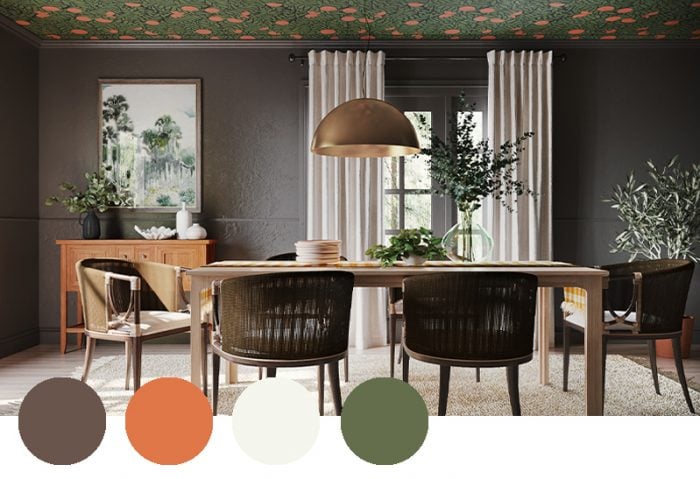
When incorporating bold colors, use the 60-30-10 rule as a guideline. Sixty percent of the room should be a dominant color, 30 percent a secondary hue, and 10 percent an accent shade. This ensures a balanced yet dynamic look. For example, pair a deep navy blue wall with neutral furniture and golden-yellow accessories for a sophisticated yet inviting space.
Finally, don’t forget the power of paint in unexpected places. Consider freshening up doors, cabinets, or even ceilings to create a cohesive and polished look. With a little creativity and planning, paint can transform any space into a reflection of your style and personality.
Conclusion
Painting a room is more than a decorative task. It’s an opportunity to craft an environment that resonates with your emotions, supports your lifestyle, and tells your story. Whether you lean toward soft, calming hues or bold, statement-making shades, the right paint colors can redefine your space with minimal effort and maximum impact. By understanding color psychology, experimenting with samples, and balancing trends with timelessness, you can unlock the full potential of your home. So grab a brush, let your creativity flow, and watch as your space transforms into a vibrant sanctuary tailored just for you.