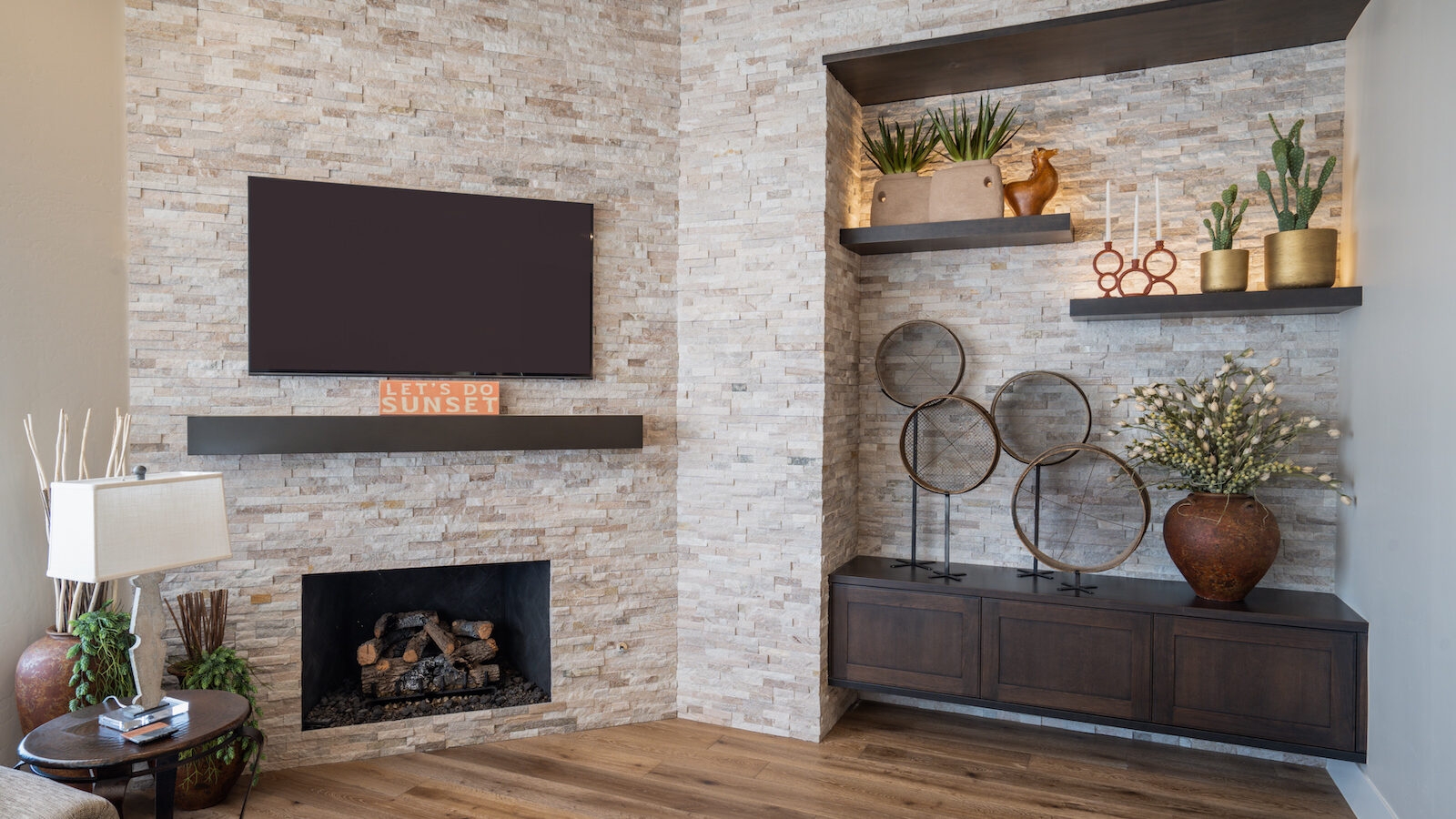
Introduction & Background
Home improvement is more than just a trend. It is a way to enhance comfort, functionality, and even the value of your living space. Whether you are a first-time homeowner or a long-time renter, making small upgrades can transform a dull room into a vibrant sanctuary. DIY projects empower individuals to personalize their homes without breaking the bank. They encourage creativity and resourcefulness, turning everyday materials into something extraordinary. With the rise of online tutorials and accessible tools, anyone can embark on these projects with confidence.
Concept & Overview
DIY home improvement refers to the practice of upgrading or renovating your home through do-it-yourself methods rather than hiring professionals. The core idea is to use readily available materials, tools, and techniques to achieve noticeable changes. These projects range from simple aesthetic updates to functional modifications. The beauty of DIY lies in its flexibility. You can start small with a fresh coat of paint or tackle larger projects like building a bookshelf. The key principles include planning, budgeting, and leveraging available resources to maximize impact.
Key Features & Highlights
- Cost-Effective Solutions: DIY projects often save money compared to hiring contractors or purchasing new furniture. Repurposing materials or using affordable supplies can lead to significant savings.
- Customization: Unlike mass-produced items, DIY allows you to tailor designs to match your personal style and space requirements perfectly.
- Skill Development: Engaging in these projects helps you learn new skills, from basic carpentry to advanced painting techniques, which can be useful for future renovations.
- Eco-Friendly Options: Many DIY hacks involve upcycling or using sustainable materials, reducing waste and promoting an environmentally conscious lifestyle.
- Instant Gratification: Completing a project provides a sense of accomplishment and immediate improvement, making your home feel fresh and inspired.
Frequently Asked Questions / Pros & Cons
What are the biggest benefits of DIY home improvement?
One of the primary advantages is cost savings. By doing the work yourself, you avoid labor costs and can source materials at a lower price. Additionally, DIY projects allow for greater customization, letting you create unique pieces that reflect your personality. There is also the satisfaction of completing a project with your own hands, which can boost your confidence and creativity.
Are there any downsides to DIY home improvement?
While DIY projects offer many benefits, they can also come with challenges. Without proper experience, mistakes may lead to costly repairs or unsatisfactory results. Time commitment is another factor. Some projects require extensive planning and effort, which might not fit into a busy schedule. Safety is also a concern, especially when using tools or handling heavy materials.
How do I know if a DIY project is right for me?
Assess your skill level and the complexity of the project. Start with smaller tasks to build confidence before attempting larger ones. Research thoroughly and watch tutorial videos to understand the steps involved. If a project feels too overwhelming, consider consulting professionals or breaking it into manageable phases.
Practical Guidance & Solutions
Before starting any DIY project, preparation is crucial. Begin by defining your goals. Do you want to update the look of a room, improve storage, or enhance functionality? Once you have a clear vision, create a budget and timeline. This will help you prioritize tasks and avoid overspending.
For beginners, focus on simple projects like painting walls, replacing cabinet hardware, or installing peel-and-stick backsplashes. These require minimal tools and can be completed in a weekend. Invest in quality tools that will last, such as a reliable drill, measuring tape, and level. Don’t forget safety gear, including gloves, goggles, and masks.
When tackling larger projects, break them into smaller steps. For example, if you are refinishing furniture, start with sanding and cleaning before applying stain or paint. Take your time and follow instructions carefully. If you encounter difficulties, seek advice from online forums or local hardware store experts.
Remember to measure twice and cut once. Precision prevents mistakes and saves materials. Also, consider the lighting in your space. Good lighting can highlight flaws and make it easier to achieve professional-looking results. Natural light is ideal, but adding LED bulbs can brighten dim areas effectively.
Finally, embrace imperfections. DIY projects are about learning and improving, so it is okay if the outcome isn’t perfect. The goal is to create a space that feels uniquely yours and brings you joy every day.
Conclusion
DIY home improvement is a rewarding journey that transforms not just your space but also your mindset. It encourages creativity, saves money, and fosters a deeper connection to your home. By starting small, staying organized, and embracing the process, you can achieve remarkable results without the need for professional help. Whether you are refreshing a single room or overhauling an entire home, these innovative hacks will inspire you to take the first step. So, grab your tools, unleash your imagination, and watch as your space evolves into something extraordinary. Your dream home is closer than you think.